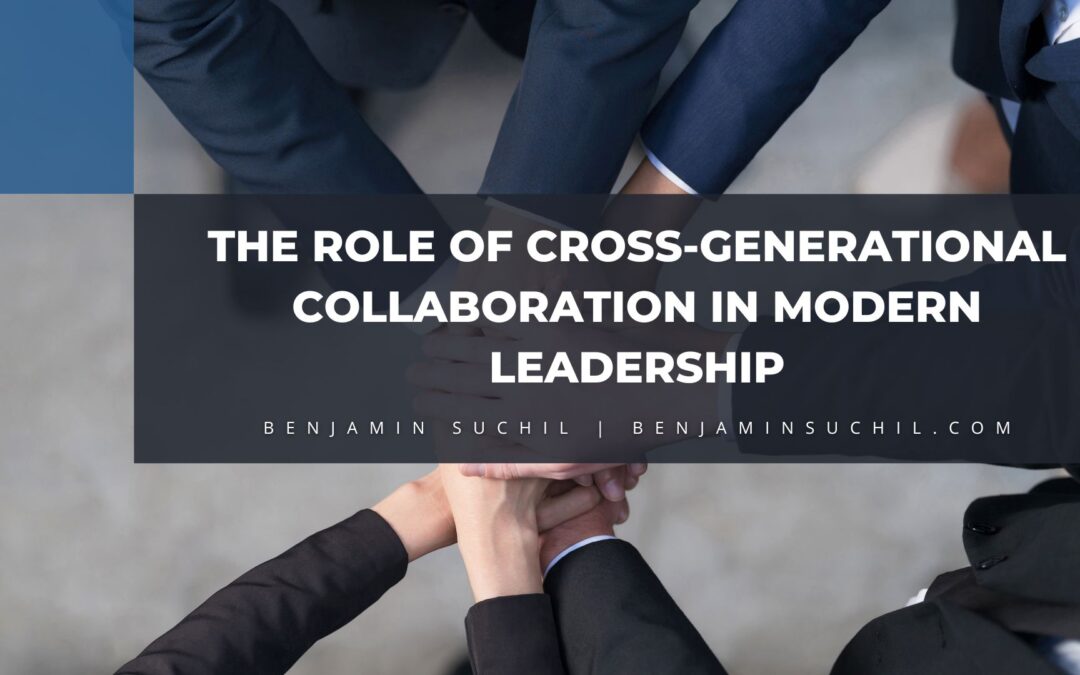
In today’s diverse workplace, organizations are comprised of employees from multiple generations, each with unique experiences, values, and strengths. Cross-generational collaboration has become a powerful tool for modern leadership, fostering innovation, enhancing adaptability, and creating a culture that values varied perspectives. Leaders who embrace this approach not only harness the strengths of each generation but also help create an inclusive environment that supports growth, learning, and shared success.
Understanding Generational Strengths
Each generation—Baby Boomers, Gen X, Millennials, and Gen Z—brings specific skills and mindsets to the workplace. Baby Boomers often have extensive industry knowledge and a disciplined approach to work, which provides stability and mentorship for younger generations. Gen X, known for their adaptability and independence, bridge the gap between traditional and modern working styles. Millennials, who grew up in the age of rapid technological change, prioritize collaboration and innovation. Gen Z, the newest entrants, bring a natural affinity for technology and a fresh perspective, often driving conversations on social responsibility and work-life balance.
By recognizing these strengths, leaders can position team members in roles that allow them to leverage their unique skills while collaborating effectively with others.
Building a Culture of Mutual Respect and Learning
Cross-generational collaboration requires a culture where all perspectives are valued. Leaders play a critical role in fostering this environment by encouraging open communication, promoting mutual respect, and facilitating mentorship. For instance, reverse mentorship programs, where younger employees teach older colleagues new technologies or trends, can create a reciprocal learning experience that benefits all involved. Meanwhile, experienced team members can share insights into industry trends and offer guidance on problem-solving and decision-making.
Creating regular opportunities for knowledge sharing—through team-building activities, inter-departmental projects, or workshops—helps to bridge generational divides and fosters understanding.
Encouraging Innovation Through Diversity of Thought
Generational diversity enriches brainstorming and decision-making processes. Younger generations may offer fresh ideas, challenge conventional methods, and bring innovative solutions to the table, while more seasoned employees can provide context and insight into why certain practices work. This dynamic interplay can lead to breakthrough innovations that would be difficult to achieve within a single-generational team.
Leaders who prioritize diverse input can better anticipate changes in the market, understand a broader range of customer needs, and adapt to industry trends. As a result, the organization becomes more resilient and agile.
Addressing Challenges in Cross-Generational Teams
While the benefits are substantial, managing cross-generational teams can come with challenges, such as differences in communication styles and work expectations. For example, younger employees might prefer digital communication, while older employees might value face-to-face interaction. Leaders can address these differences by setting clear communication guidelines and being mindful of each generation’s preferences, allowing teams to work more cohesively.
Additionally, it’s essential to dispel stereotypes that may exist between generations. Leaders should address any biases and emphasize individual strengths, focusing on personal growth and team objectives rather than generational labels.
Cross-generational collaboration in modern leadership is not just about bridging age gaps—it’s about building a resilient, inclusive, and dynamic workforce. By recognizing the unique strengths of each generation, fostering a culture of respect, and encouraging innovation, leaders can drive their organizations toward long-term success. Embracing cross-generational collaboration enriches both the employee experience and the organization, creating a workplace where diverse perspectives are celebrated and utilized to their fullest potential.